The Story of Cornrows: A Crown Written in Braids

A Morning in the Chair
Amina sat in the warm patch of sunlight by the window while her auntie parted her hair with the tip of a rattail comb. On the table beside them were clips, oil, a spray bottle, edge control, and a small bowl of beads. Outside, the neighborhood was waking up. Inside, something older than the morning was beginning again.
“Hold still,” Auntie said, drawing a clean line from Amina’s forehead toward the crown of her head. “Cornrows are not just a hairstyle. They’re a story.”
Amina had heard that before, but today she listened differently.
Roots Older Than Memory

Her auntie explained that long before cornrows appeared in modern beauty salons, music videos, red carpets, classrooms, and workplaces, braided patterns were part of life across many African societies. Braids could communicate identity, age, family background, social status, religion, region, and artistry. Cornrow and braid traditions are widely described as having roots in ancient Africa, with Black hairstyles serving both functional and social roles over generations. Scholars and cultural institutions also describe hair as a marker of identity, community, heritage, and self-expression across the African diaspora.
Why Cornrows Remain Popular
Amina touched the first braid as it formed close to her scalp.
“So why do people still love them so much?” she asked.
“Because they’re beautiful,” Auntie said, “but also because they’re practical.”
Cornrows are popular because they are neat, versatile, long-lasting, and deeply expressive. They can be simple enough for school, professional enough for work, elegant enough for a wedding, and bold enough for a fashion shoot. They also fit naturally with textured, curly, and coily hair because the braiding pattern can keep the hair organized and reduce daily manipulation when the style is done gently and maintained well.


From Simple Rows to Intricate Designs
Auntie braided the first row straight back.
“This is one of the simplest styles,” she said. “Straight-back cornrows. Clean, classic, never out of style.”
Then she pointed to photos on her phone.
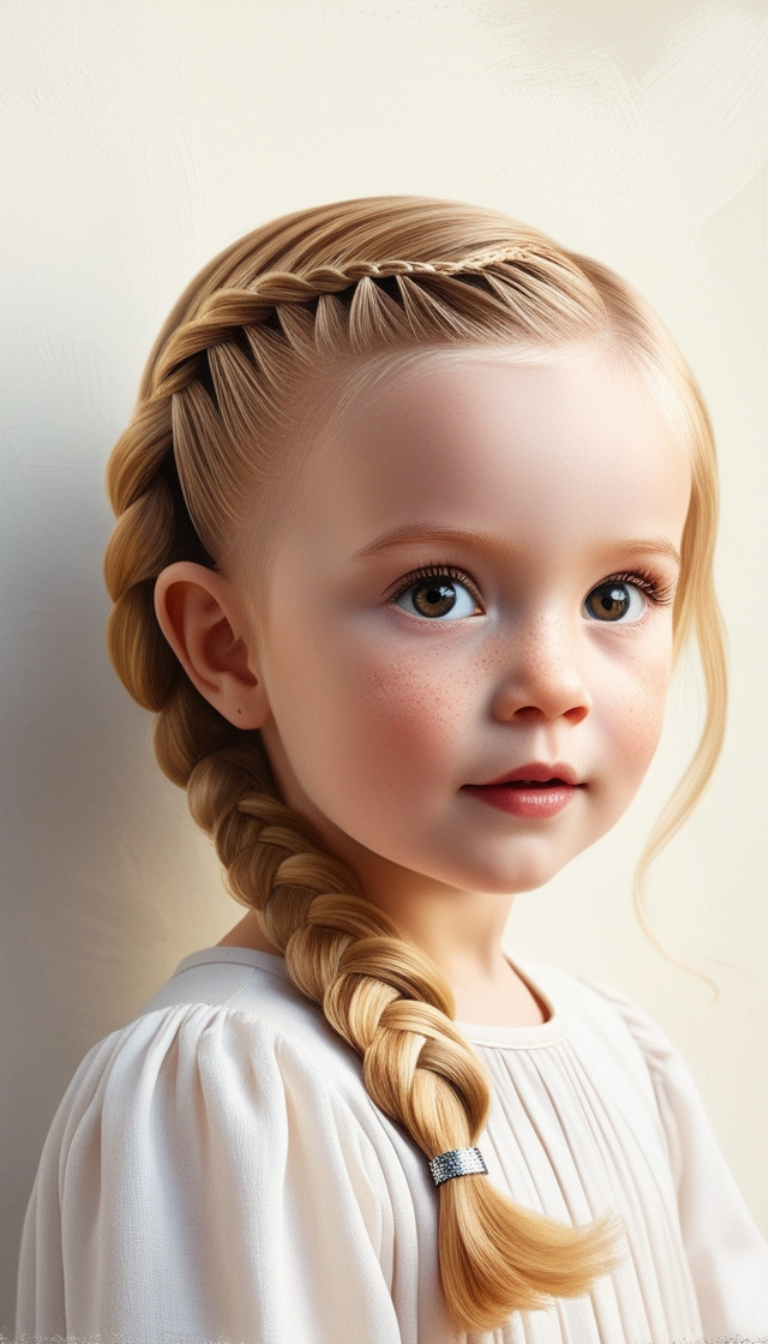
There were feed-in cornrows, where extensions were gradually added so the braid looked smooth and natural at the root. There were stitch braids, with sharp, graphic lines that looked almost carved into the scalp. There were zigzag parts, curved goddess braids, lemonade braids swept to one side, cornrows into a bun, cornrows into a ponytail, half-cornrow half-loose styles, braids with beads, braids with cuffs, braids with curls at the ends, and intricate geometric designs that looked like art.
“Some cornrows are simple,” Auntie said. “Some are architecture.”
By the time Amina’s second braid was done, she understood why the style had traveled through so many generations. Cornrows could be quiet or dramatic. They could say, “I’m going to work,” or “I’m going to a celebration,” or “I know exactly who I am.”


Protection Without Tension
But Auntie was careful to explain that protective styling only protects the hair when it is done gently.
“Cornrows help because your ends are tucked away, your hair is not being brushed every day, and you can give heat tools a break,” she said. “But tight braids are not protection. Tight braids are stress.”
Dermatology guidance warns that hairstyles pulling tightly on the scalp, including tight cornrows and braids, can contribute to traction alopecia, a form of hair loss caused by repeated tension on the follicles. The American Academy of Dermatology recommends loosening tight styles, reducing constant tension, and avoiding wearing pulling styles continuously.
Amina nodded as Auntie checked each braid with her fingertips.
“You should not feel a headache,” Auntie said. “You should not see bumps. Your edges should not feel like they’re fighting for their life.”
How Long Braiding Takes
“How long does it take?” Amina asked.
“That depends on the style.”
A simple set of straight-back cornrows might take under an hour to a couple of hours, depending on the stylist, hair length, and number of braids. Medium designs with feed-in hair or curved parts may take several hours. Intricate styles with small parts, complex patterns, added length, beads, or detailed stitch work can take much longer. The longer, smaller, or more detailed the braids are, the more time the style usually requires.
Keeping Cornrows Fresh
Then came the maintenance lesson.
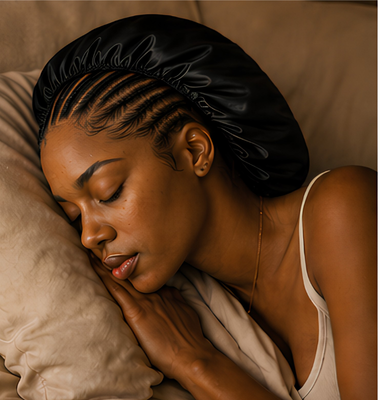
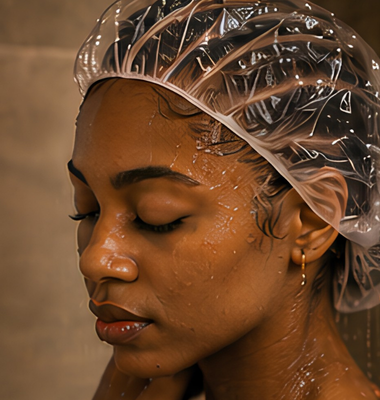
Auntie told her to sleep with a silk or satin scarf, bonnet, or pillowcase to reduce friction. She told her to keep the scalp clean, using a gentle cleanser or diluted shampoo when needed, and to avoid heavy product buildup. A light oil or scalp moisturizer could help with dryness, but too much product could make the style itchy or dull. She also told Amina not to leave cornrows in forever.
“For many cornrow styles, a few weeks is enough,” Auntie said. “Some styles can last longer, but your scalp needs care, and your hair needs rest.”
She explained the signs that a style should come out: itching that does not improve, flakes and buildup, frizz that turns into tangling, tenderness, bumps, thinning edges, or braids pulling away from the scalp.


A Crown of Care and Culture
By the final braid, Amina sat taller. Her hair was arranged in clean lines that curved into a low bun at the back. It looked simple from far away, but up close, each part was precise.
Auntie smiled.
“That’s the magic,” she said. “Cornrows can be everyday and royal at the same time.”
Amina looked in the mirror. She saw more than a hairstyle. She saw history. She saw skill. She saw protection. She saw beauty shaped by hands that knew what they were doing.
And when she stepped outside, the sun caught the pattern of her braids like rows in a field — each one planted with memory, care, and style.